More brand teams are asking us the same question about their product images: do we still need the studio? Every new shade, bundle and seasonal campaign means another shoot, with a photographer, a stylist, props, samples and weeks of lead time. Automated product photography promises to take most of that away.
We build these systems at 38Shift, and our honest answer is that AI can now handle most of the studio day. The judgment behind a good shoot still has to come from a person. This article covers what changes, what stays, and what to agree before you start.
Why brands are moving away from studio shoots
The cost of a shoot sits mostly in what surrounds the images. Samples have to be shipped, a set has to be built and lit, and a day has to be booked weeks ahead. When a product changes or a new format is needed, the team can end up back at the start.
That model suited a few big campaigns a year. It strains when a brand launches something new every few weeks across its shop, email, social media, ads and print. We saw this with a growing beauty brand, where every new shade or bundle meant booking another shoot. After moving to an AI system, the brand spends 70% less time producing campaign images.
Why fully generated images fall short
Most teams start by describing their product to an image generator. The results can look impressive until you read the label. Image models struggle with small type, so ingredient names drift, logos warp and the shape of the pack changes from one image to the next. A customer should receive exactly the product they saw on screen, which rules these images out for most brands.
A system built for brand work starts from the real product and the brand's guidelines, so the packaging, text and logo stay accurate while AI creates everything around them.
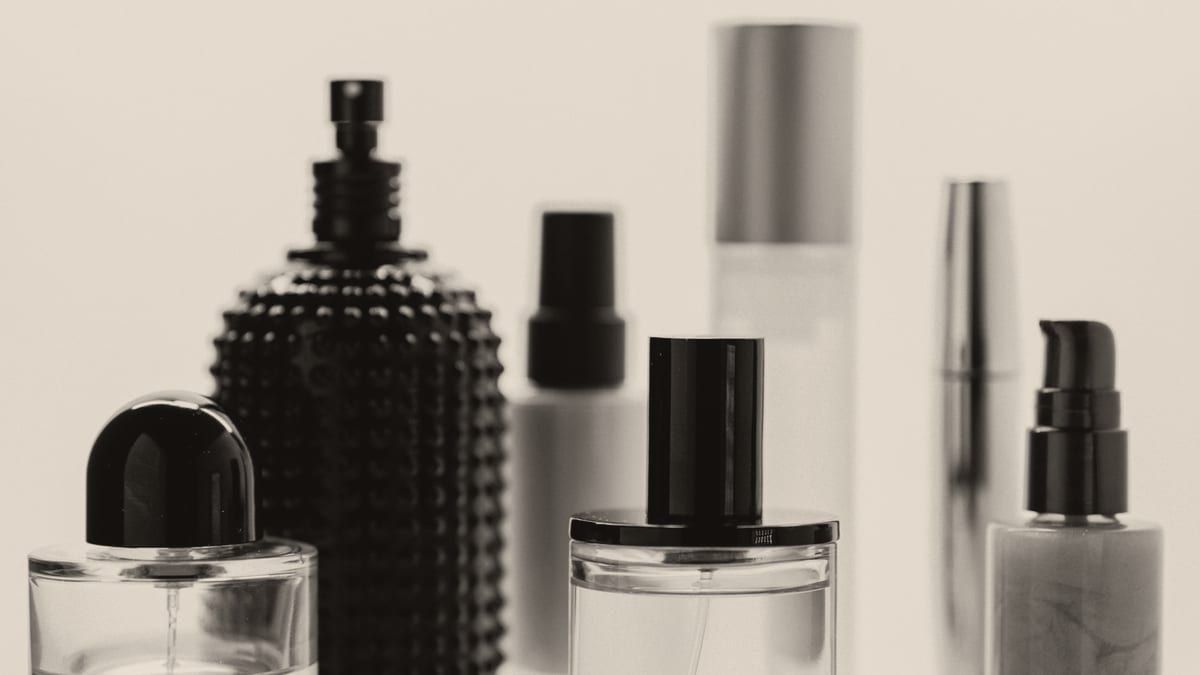
Group shots are where this gets hard. A handful of products on a surface is manageable, but a crowded composition needs careful staging, believable contact shadows and a clear order of importance. That calls for an art director's eye more than a better prompt.
What an AI product photography campaign should include
One striking image is easy to get. A campaign needs a set of assets that works everywhere the brand appears, so agree what you need at the start:
- Lead images that show the full product range together.
- Individual shots of each product.
- Versions that fit every channel, from your shop to social media and ads.
- Files ready for both screens and print.
Print is the requirement that catches people out. Image generators usually work at screen resolution, so ask early how print-ready files will be produced.
How to keep every campaign on brand
Teams often worry that AI images will all look alike, or that each campaign will drift from the last. Both problems come from working one image at a time. Agree the look in writing before the first campaign, then hold every image to it.
Where people stay in charge
AI removes the studio day, but someone still has to make the decisions a photographer, a stylist and a retoucher would have made. Before you start, agree who owns each of these:
- Art direction: the composition, styling and light on every set.
- Accuracy: creams and serums are hard to fake, so check how each product looks against the real thing.
- Finishing: the final pass that makes an image look like a photograph.
- Sign-off: a named person on your team who approves every image before it is used.
If a provider can't say who does this work, your own team will probably end up doing it.
When a studio is still the better choice
Some work should stay on a real set. If a campaign depends on a recognisable person, a real location or a product in motion, a shoot usually gives you a better result. AI also makes less sense for a brand that needs only a few images a year, because the work of setting up the look pays back across many campaigns. Plenty of teams will end up with a mix: AI for regular product campaigns, and a studio for the moments that need one.
Next steps
Start with a single campaign and compare it with your last shoot on time, cost and quality. To see how we approach this, read about AI product image automation or the beauty brand case study.